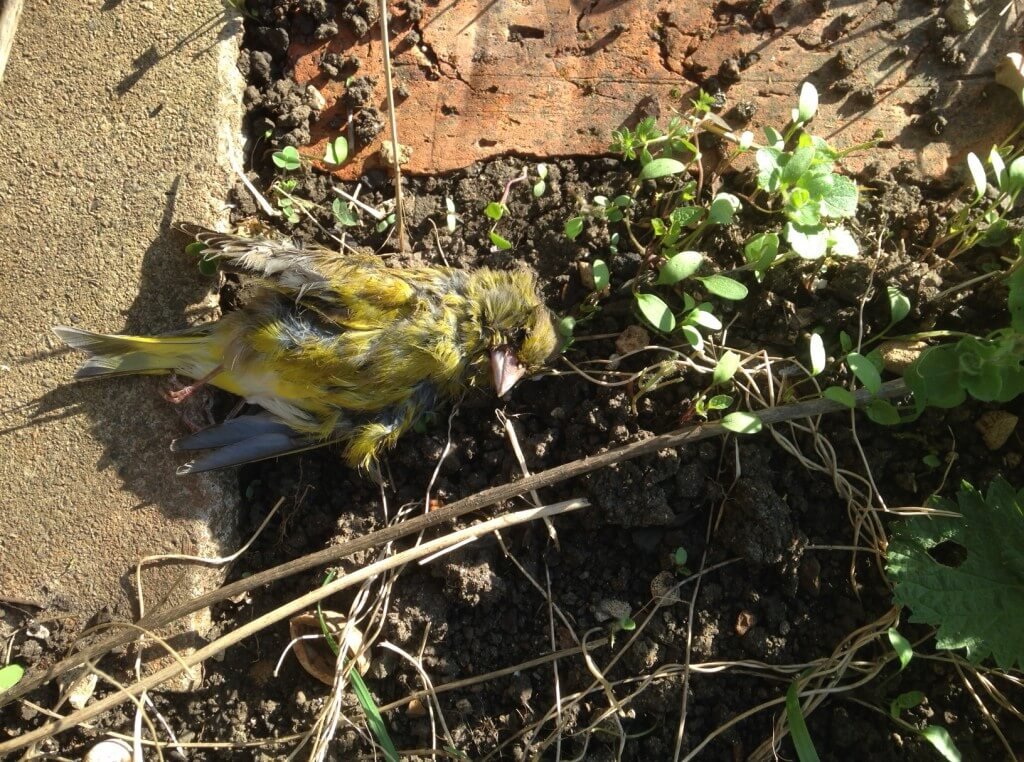
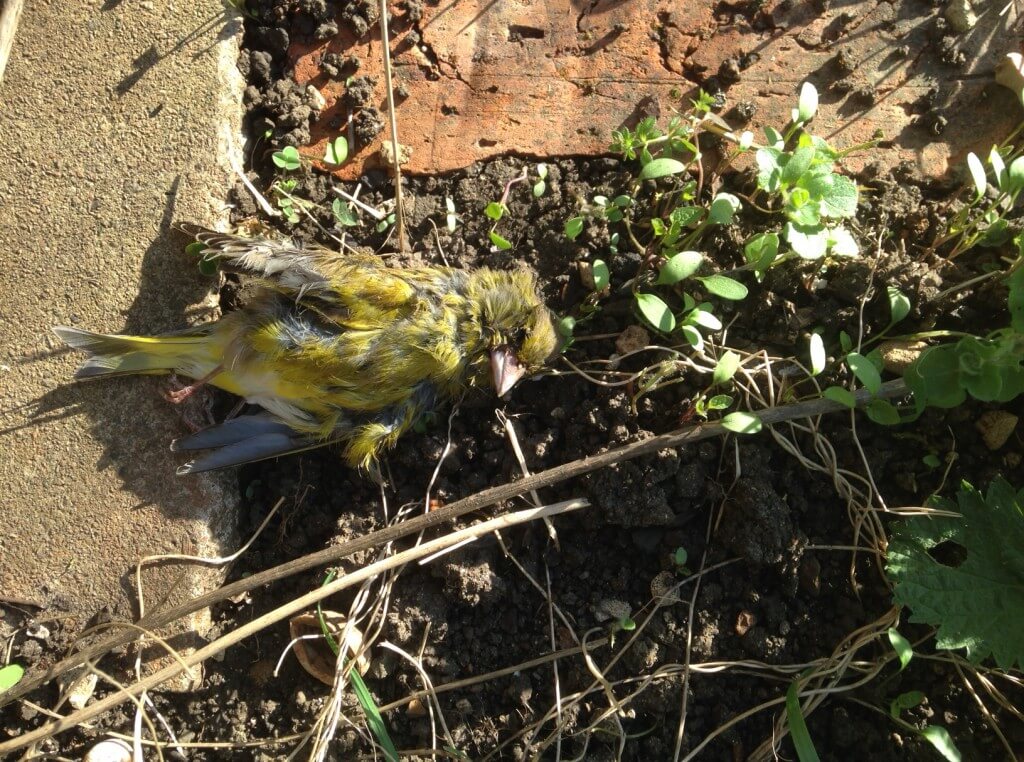
Today the RSPB has issued new advice to its million members and the public at large on feeding birds in gardens. The new advice represents a big change to current practice (amongst many), won’t be universally popular and will cost the RSPB a lot of money. This advice is based on the perceived dangers of spreading diseases such as trichomonosis through gathering birds together at feeders. Various species, most notably Greenfinch, have declined considerably in numbers and disease is strongly implicated in that population decline. I think the advice is sensible, just a little slow in coming but is a big move to make. I support their position.
What does RSPB now advise?:
- Don’t use flat surfaces (eg bird tables) for feeding
- Don’t provide seeds or peanuts from bird feeders from 1 May to 31 October because the benefits to the birds are low and the risks are still high.
- Clean and change the location of bird feeders every week.
- Change water in bird baths every day.
The RSPB stopped selling bird table-type feeders some time ago and will stop selling seeds and peanuts during the ‘close season’ of May-October. These are the right things to do but come with a financial downside for the organisation. A back of an envelope estimate would be in the order of high hundreds of thousands of pounds, perhaps a six-figure sum. This is conservation taking precedence over finances – as it should, but that’s a lot of money. The RSPB is not the only seller of bird food and it isn’t the only conservation body selling bird food. How will others behave, I wonder?
Cleaning feeders, moving them around and changing water daily are things that few people will readily do. I wonder how many of us will adopt this behaviour?
In my garden we have greatly reduced the amount of feeding in recent years because of the issues the RSPB has been considering. Practically all our seed provision is in December and January, and isn’t excessive, with some seed kept back for cold snaps in February and March.
Chaffinches have all but disappeared from our garden over 20 years and Greenfinches dipped substantially in numbers but seem to have made a comeback in the last few years. Collared Doves are rarer. But winters are so much milder. I think our family, I was five at the time, probably started putting out peanuts in the winter of 1963/64 after the big freeze of 1962/3.
Although many would say that they feed birds in order to help them through the winter many of us do so because we like seeing birds in our gardens (which is an understandable but less altruistic motive). I’d much rather see graphs of buoyant populations than declining ones so I think the RSPB has got this right.
[registration_form]
Source link